
The Ultimate Milan Travel Guide for First-Time Visitors

Most people think of Italy, Milan rarely comes to mind. Instead, you might picture Rome’s ancient ruins, Florence’s Renaissance charm, or Venice’s enchanting canals. Milan is often seen as the stylish, business-focused cousin. It’s a place where you quickly snap a photo of the Duomo, check The Last Supper off your list, and move on to what you believe is the “real” Italy.
But here’s the twist: that assumption couldn’t be more wrong. Milan isn’t just a stopover—it’s a city that quietly surprises you, layer by layer, once you give it more than a rushed glance.
Stop right there.
If that’s how you feel, you’re making a common mistake. Milan isn’t just a city you pass through. It’s a lively, complex metropolis that rewards those who take the time to explore. It offers a sophisticated, elegant, and innovative side of Italy that balances its historical landmarks. This guide is not just a list of attractions. It’s your plan for discovering Milan in a way that suits you, filled with travel tips you won’t find in a standard brochure.
Who is this guide for? It’s for culture lovers who enjoy modern art as well as the classics. It’s for fashion enthusiasts who want to feel the heartbeat of the industry. It’s for food travelers eager to trade clichés for dishes like risotto allo zafferano and aperitivo. And it’s for savvy explorers who view Milan as the perfect starting point for Northern Italy.
Honest advice to plan your time, budget, and expectations. Andiamò!
1. First Time in Milan: The Reality vs. The Postcard
Milan doesn’t whisper; it hums. It’s a busy Italian city. You’ll see businessmen on Vespas, students discussing ideas over espresso, and artists greeting each other in Brera’s cobbled lanes. The pace is quicker than Rome’s stroll or Florence’s walk. It’s elegant but not showy; historic but not a museum. To help you understand what to expect, I’ve put together a detailed look at your first time in Milan, covering everything from daily life to cultural quirks.
How is Milan different?
- Rome is an open-air museum of empire.
- Florence is a Renaissance painting come to life.
- Milan is the Italy of now and tomorrow. It’s where a 15th-century castle sits opposite a soaring glass skyscraper, and where you’ll find Italy’s best aperitivo culture.
What surprises first-timers?
You’ll find green spaces like hidden courtyards and gardens, the efficient metro system, and the stunning beauty of the Duomo up close. Many people arrive thinking it’s just a grey business hub, but they leave captivated by its golden glow along the Navigli canals.
2. How Many Days in Milan?
This is the most common planning question, and the answer isn’t one-size-fits-all. You need an honest breakdown of what you can realistically see and feel in different timeframes.
- 24 Hours (The Blitz): Possible, but exhausting. You’ll hit the Duomo, Galleria, The Last Supper (if you planned months ahead), and a rushed aperitivo. You’ll see the icons but miss the soul.
- 2-3 Days (The Sweet Spot): This is ideal. Day 1 for the historic centre. Day 2 for Brera, Sforza Castle, and an evening in Navigli. Day 3 for a deeper dive—maybe a museum (like the Pinacoteca di Brera) or a day trip to Lake Como.
- 4+ Days (The Explorer): Perfect if you see Milan as a base. Use the extra days for unhurried exploration of neighborhoods like Isola or Porta Romana, and for 1-2 stellar day trips (Lakes Como & Maggiore, Bergamo, Turin).
Who should stay longer? Fashion lovers, opera fans, day-trippers, and anyone who enjoys the rhythm of city life. Who might skip it? If you prefer hilltop villages and rustic charm, Milan may feel too urban. For more guidance to help you decide, I have a complete guide on how many days you need in Milan that explores the topic in detail.
3. Best Time to Visit Milan: Ditch the Crowds, Find the Vibe
Timing is everything. Come in August and you’ll battle heat and closures; come during Fashion Week and you’ll battle for hotel rooms. A smart Milan itinerary starts with choosing the right season.
- Shoulder Season (April-June, September-October): The gold standard. Pleasant weather, vibrant outdoor life, and manageable crowds. Perfect for rooftop aperitivos and lakeside day trips.
- Peak Summer (July-August): Hot, humid, and many locals flee the city. Sales are on, and evenings are lively, but sightseeing can be sweaty. Lakes are packed.
- Winter (November-March): Cold and often foggy (la nebbia), but magical around Christmas. January/February are quiet and cheaper, outside of Fashion Weeks.
- Fashion Week Impact: (Late Feb/Sept) Hotels skyrocket, the city buzzes with energy, and certain areas are invitation-only. For most tourists, it’s a disruptive time unless that’s specifically why you’re visiting.
If you’re curious about specific monthly events or weather patterns, I break down the pros, cons, and events for every season in a separate article on the best time to visit.
4. Getting There & Around: Navigate Like a Milanese
Airports Decoded:
- Malpensa (MXP): Main international airport. 45-60 mins to centre. Take the Malpensa Express train to Cadorna or Centrale stations (€13). Avoid expensive taxis.
- Linate (LIN): Close, mainly for EU flights. 30 mins by bus (#73 or Air Bus) to the centre.
- Bergamo (BGY): Ryanair hub. Not in Milan. Take the 50-minute Air Bus to Centrale Station.
Getting Around:
The ATM metro (red M1, green M2, yellow M3) is your best option. It’s clean, efficient, and covers all the main areas. Trams, especially the vintage #1, offer a scenic way to get around for short trips. Walking is ideal in the compact city center. Buy a 24-, 48-, or 72-hour travel pass for unlimited rides—it will pay off quickly. For more details on tickets, routes, and tips, I have a thorough public transport guide that will help you get around like a local.
5. Where to Stay in Milan: Best Areas for Tourists
Choosing the right neighborhood is the first step to a great trip. Your base shapes your experience.
- For First-Timers & Sightseers: Brera (charming, central, artistic), Duomo/Historic Centre (iconic views, steps from everything, can be touristy/noisy), Navigli (canal-side charm, fantastic nightlife, a short metro ride from centre).
- For Easy Transport & Day Trips: Near Centrale Station (great transport hub, more business-like, some areas can feel gritty).
- Areas to Think Twice About: The immediate vicinity of Centrale Station can feel impersonal and requires street smarts at night.
Choosing between Brera’s romance and Navigli’s buzz isn’t easy. To help you decide, I’ve compared hotels, overall vibe, and exact locations in a detailed neighborhood guide: Best Areas for Tourists.
6. Top Things to Do in Milan
Non-Negotiables (Book Ahead!):
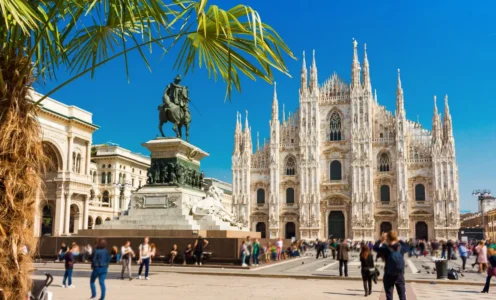
- The Duomo: Don’t just walk past it. Go inside, but absolutely go on the rooftop (by stairs or lift). Walking among the Gothic spires is Milan’s #1 experience. The view is unforgettable, and I often get asked if the extra cost for the elevator is worth it—for most people, absolutely.
- The Last Supper: Book online 2-3 MONTHS in advance. No, really. It’s in Santa Maria delle Grazie church. Set a calendar reminder; spontaneity doesn’t work here.
- Galleria Vittorio Emanuele II: Walk the mosaic floor, spin your heel on the bull’s…erm…testicles for luck, and look up at the magnificent glass dome.
Worth Your Time & Money:
- Sforza Castle: A massive fortress with museums (Michelangelo’s final Pietà is here). The adjoining Sempione Park is a lovely escape.
- Aperitivo in Navigli: Not just a drink—it’s a social ritual. Pay €10-15 for a cocktail and feast on a buffet of snacks (6 PM onwards).
Free & Low-Cost Wins: Milan can be expensive, but not everything costs a fortune. You’d be surprised how many incredible experiences are free, from contemporary art foundations to the city’s best people-watching parks.
7. Food in Milan: What to Eat & Where
Must-Try Dishes:
- Risotto alla Milanese: Saffron-infused, buttery, often served with osso buco. This is the city’s iconic dish for a reason.
- Cotoletta alla Milanese: A thin, crispy, bone-in veal chop. Forget the schnitzel; this is richer and more flavorful.
- Panettone: The city’s iconic Christmas cake, available year-round from top pasticcerie like Marchesi or Cova.
The Aperitivo Culture:
This is your budget-friendly dinner hack. From 6 PM, bars offer lavish buffets of pasta, salads, and pizzette included in the price of your drink, which ranges from €10 to €18. Navigli and Porta Romana are great places to check out. It’s where you can experience Milanese life.
Where Tourists Go Wrong:
Tourists tend to eat in the crowded restaurants right in the Galleria or Piazza Duomo. Instead, walk 5-10 minutes into a side street for better quality and prices. For a complete culinary guide, I have a resource dedicated to Milanese cuisine that covers everything from street food to fine dining.
8. Milan Neighborhoods Worth Exploring
- Brera: The picturesque heart. Cobbles, art galleries (Pinacoteca di Brera), chic boutiques, and atmospheric wine bars. Get lost here. It’s a place where you can easily spend an afternoon just wandering.
- Navigli: The former canal district, now the epicentre of nightlife, vintage markets, and casual dining. Perfect for an evening stroll. The Sunday antique market along the canals is a local institution.
- Isola & Porta Nuova: See Milan’s future. Striking skyscrapers (the “Bosco Verticale”), innovative restaurants, and a cool, creative vibe. It’s a testament to the city’s modern architectural ambition.
- Don’t Skip: Corso Como for its legendary club/restaurant/boutique, Porta Romana for its trendy, local feel away from the main tourist trails.
9. Day Trips From Milan You Can Actually Do
This is one of Milan’s greatest strengths. You can be on a lake or in a new region within an hour. Crafting the perfect Milan itinerary often means dedicating a day to explore beyond the city limits.
- Lake Como (Varenna & Bellagio): 1-hour train to Varenna (less crowded than Como town). Ferry to beautiful Bellagio. A perfect Italian lakes day. The train ride itself, tracing the edge of the lake, is part of the experience.
- Lake Maggiore day trip from Milan : 1-hour train. More elegant, with stunning island palaces (Isola Bella). The gardens here are particularly spectacular.
- Bergamo: 1-hour train. A gem. The funicular up to the stunning, medieval Città Alta (Upper City) feels like stepping into a different century.
- Turin: 1-hour high-speed train. Baroque architecture, incredible Egyptian Museum, and the birthplace of gianduja chocolate. It’s a vastly underrated city.
DIY vs. Tour: Trains in Northern Italy are excellent and affordable. For lakes, a tour can simplify logistics if you’re short on time, but independent travel is very doable and often more rewarding.
10. Costs, Budget & Money Tips for Milan
Milan is one of Italy’s most expensive cities. Be smart.
- Realistic Daily Budget (Mid-Range): €150-250 (accommodation €100-150, food/drink €50-80, transport/attractions €20-30).
- Saving Money: Aperitivo for dinner, picnic lunches from markets, use the transport pass, visit free churches and museums (many first Sundays are free).
- Hidden Costs: City Tourist Tax (€2-5/night, paid at hotel), extra for Duomo terraces/lifts, charges for table service (coperto) in restaurants.
- Cash vs. Card: Card (especially contactless) is widely accepted. Carry €40-50 cash for small markets, some taxis, and old-school cafes.
Wondering just how heavy it will hit your wallet? I’ve put together a full cost breakdown that covers everything from a cappuccino to a Duomo ticket, along with my best hacks for stretching your euros further.
11. Safety, Scams & Common Tourist Mistakes
Milan is very safe for a major city. Violent crime is rare. The main issue is pickpocketing in crowded areas (metro, tram lines 1 & 10, Duomo square). A cross-body bag worn in front is your best friend.
- Common Scams: The “friendship bracelet” scam near the Duomo (they’ll tie a string on your wrist and demand payment), overcharging in tourist-trap bars, unofficial taxi drivers at stations.
- Smart Moves: Use licensed taxis (white with a taxi sign), always check the menu for prices before sitting, be firm but polite with street vendors, and keep bags zipped and in front of you on transport.
Staying aware is your best defense. Most issues are easily avoided with a bit of street smarts, which I cover in more detail in a separate safety guide for visitors.
12. Sample Milan Itineraries: Your Blueprint
Theory is great, but a practical plan is better. Here’s how to structure your days.
One Day in Milan (The Essentials):
AM: Duomo (rooftop + interior). Walk through Galleria. Coffee at Camparino.
PM: See The Last Supper (pre-booked) or visit Sforza Castle & Sempione Park.
Evening: Aperitivo in Navigli.
Two Perfect Days:
Day 1: As above.
Day 2: AM in Brera (Pinacoteca, wander). Afternoon exploring Porta Nuova/Isola. Evening in a trattoria in Porta Romana.
Three Days (With a Day Trip):
Days 1 & 2 as above.
Day 3: Train to Varenna (Lake Como). Explore, ferry to Bellagio, return to Milan for a final dinner.
If you want these plans mapped out hour-by-hour with restaurant suggestions, I have dedicated itineraries for two and three days that you can use as a template.
13. Practical Travel Tips Before You Go
- Packing: Comfortable walking shoes are non-negotiable. Pack layers, a stylish jacket for evenings, and a scarf for entering churches. Milanese style is understated but polished—think smart casual.
- SIM/Internet: Free WiFi is widespread, but for ease, consider an eSIM or a local tourist SIM (like Iliad) from a tobacco shop (tabacchi). EU roaming often applies for European visitors.
- Language: A few phrases go a long way. “Buongiorno” (good day), “Un caffè, per favore,” “Il conto, per favore” (the bill, please). English is widely spoken in tourist areas, but effort is appreciated.
- Etiquette: Dress neatly (Italians notice), greet shopkeepers when entering (“Buongiorno”), and enjoy your coffee standing at the bar like a local—it’s cheaper and the authentic way.
Conclusion: So, Is Milan Worth Visiting?
You will love Milan if you enjoy a mix of history and modernity. If you thrive on elegant energy, live for food and fashion culture, and want to explore Northern Italy without hassle, this city is for you.
You might skip Milan if you only have a week in Italy and it’s your first trip. In that case, prioritize Rome and Florence. You may also want to pass if you are looking only for rustic, slow-paced villages.
Milan isn’t Italy’s postcard; it’s the engine room and design studio of the country. It’s the confident, stylish older sibling to the more touristy cities. It asks more from you—a willingness to discover its layers and embrace its rhythm. In return, it offers an authentic, sophisticated Italian experience that lingers long after you’ve left its shaded arcades and sunlit piazzas.